
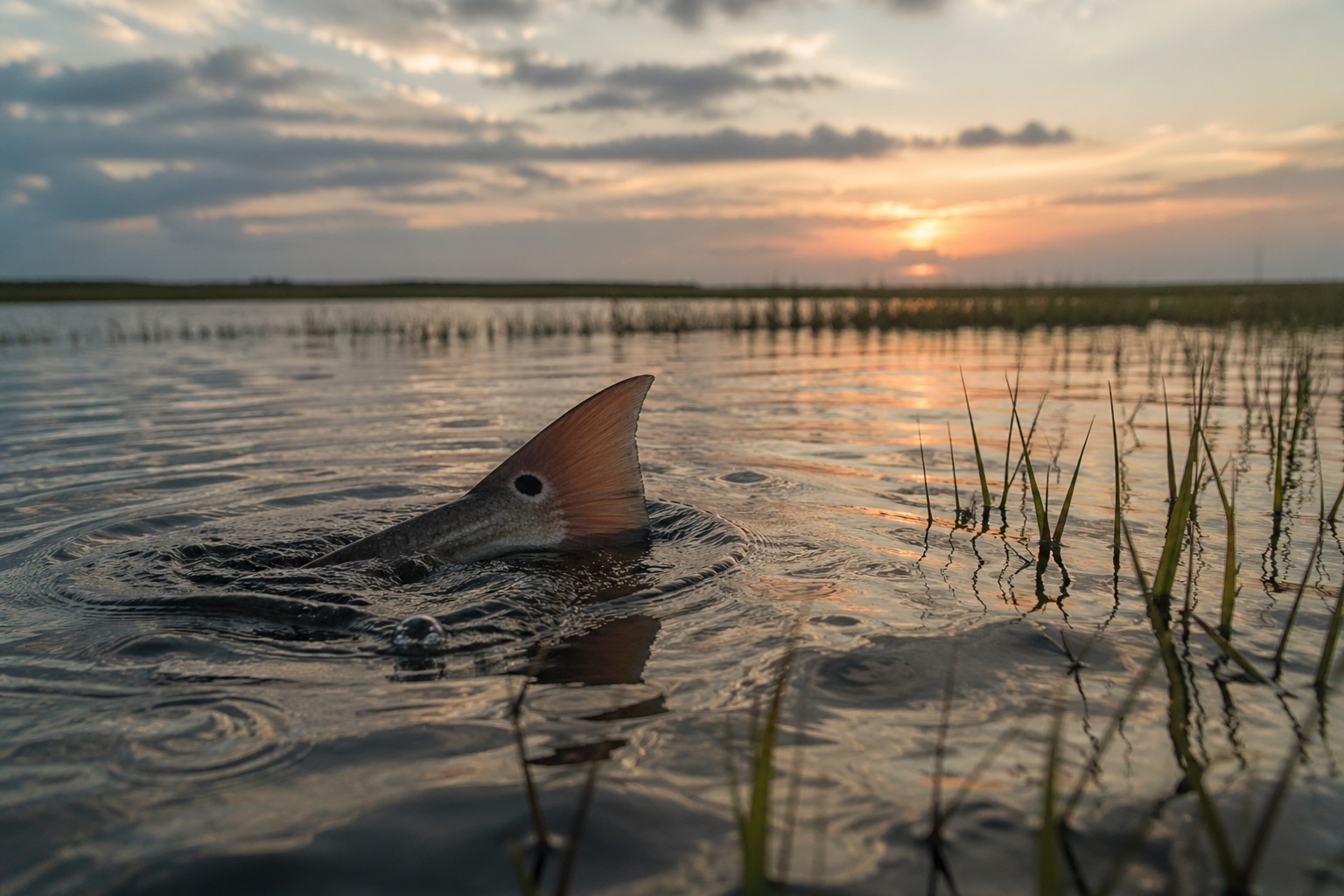
Inshore saltwater fishing is fundamentally about understanding tide. Not the calendar kind, but the actual movement of water—the rising and falling flows that trigger explosive feeding or force fish into lockdown mode. When you recognize how redfish, snook, and speckled trout respond to each tide stage, you stop guessing where they'll be and start hunting with precision.
tide table usage is fundamental to maximizing tidal predictions.
Rising Tide: The Feeding Aggression Window
A rising tide floods shallow grass flats and oyster bars with fresh water and food-laden current. Redfish push aggressively onto the flats during this window, using the extra depth to hunt baitfish without the exposure of low water. You'll find them ranging widely across the flat, cruising in small pods or singles, and eating almost anything that moves. A rising tide is peak opportunity for sight-casting to tailing redfish or blind-casting to likely structure.
Snook behave differently. They use the rising tide to patrol the mangrove shorelines, moving shallow into the trees where they wouldn't risk their bodies during low water. If you have a mangrove shoreline in your area, the rising tide is when snook are most exposed to a well-placed cast. They're hunting the same shallow water that's now accessible; a topwater lure or a well-thrown live baitfish near the root structure often triggers aggressive takes.
Speckled trout spread across their grass flats as tides rise, taking advantage of the extra water to ambush baitfish. They become more active and mobile, pushing away from their deep-water daytime sanctuaries to feed more aggressively. You'll find them throughout the flat rather than concentrated in specific structures.
The entire rising tide window—typically 4–6 hours depending on your location—offers aggressive feeding behavior. This is not the time to sit idle. Fish are moving, hunting, and responsive.
High Slack Tide: The Transition Window
When the tide peaks and begins to turn, water movement slows. This transition window, lasting 30 minutes to an hour depending on the location, creates a brief lull. Feeding often tapers as fish anticipate the upcoming current shift. Some anglers call this the "dead zone," but it's more accurately a transition where fish move from one feeding mode to another.
However, high slack tide is often underrated. Many forage species—small mullet, shrimp, and juvenile fish—are forced to move during the transition, creating a brief feeding opportunity. Patient anglers who focus on structure, channels, and the mouths of creeks often find concentrated feeding action as fish position for the falling tide.
Falling Tide: Concentration and Ambush Points
As the tide falls, water drains from the flats and shallow areas. Fish retreat, but they don't disappear. They concentrate in the channels, deeper guts, and outflow points where the receding water concentrates prey. This is where you find all three species stacked and willing to feed.
Redfish use falling tides to stage near the exits of flats, positioning themselves where baitfish are funneled into deeper water. A channel mouth or the edge of a flat where it transitions to deeper water becomes a choke point. Fish waiting here intercept prey without having to chase it across open bottom.
Consider how redfish behavior affects your overall strategy for reading tidal feeding windows.
Snook leverage the falling tide by staging at creek mouths, mangrove outflows, and channel breaks where they can ambush prey being pushed out by receding water. A snook waiting in 3–5 feet of water near the mouth of a creek that drains a flat will eat steadily during falling tide as baitfish retreat from shallows.
Speckled trout concentrate along the edges and in the potholes and deeper areas within the flats themselves, and they're aggressive hunters during this phase. They're intercepting baitfish being pushed toward deeper refuge.
For anglers, falling tide means fewer but more concentrated fish. You don't need to hunt across vast flats; you work the exits and edges where you know fish are funneling through.
Low Tide: Refuge Fishing
Low tide exposes flats and drains much of the shallow water. Fish abandon most shallow-water structure and retreat to the deepest available refuge—the main channels, deep holes, protected bays, and tidal creeks where they'll remain relatively dormant until the next rising tide.
If you know the specific deep spots in your water—the back-country holes where mangrove water collects, the deep channel sections, or the protected bays—low tide allows you to target fish that are concentrated in those refuge areas. They're not actively hunting; they're conserving energy and waiting. Presentations need to be slower and more deliberate. Live baitfish fished slowly on the bottom near structure often outperforms active lures.
Low tide is also when you can see and explore your water clearly, identifying the deeper holes and channel structures that will hold fish when the tide floods again.
Building Your Tide-Based System
The most consistent inshore anglers combine two datasets: the actual tide tables for their location (available from NOAA and most fishing apps) and their own observations of how fish respond at each location during each tide stage.
Track this information:
- Tide stage (rising, high slack, falling, low)
- Time of tide and minutes into the phase
- Species caught and numbers
- Specific location (flat name, channel, creek mouth, etc.)
- Water temp, clarity, and wind direction
- Lure/bait that worked
- Catch rate (fish per hour)
Over one season, you'll see patterns emerge. Over two seasons, you can predict with high confidence where specific species will be at specific tide stages in specific locations. You'll know that a particular flat is most productive the first hour of the rising tide, that a creek mouth always holds snook during the falling tide, and that low tide concentrates trout in a specific channel section.
Tide is the master variable in saltwater fishing. It's predictable, measurable, and directly correlates with fish behavior. When you stop fishing at random and start fishing at the tide stages when fish are most aggressive in the specific locations where they concentrate, success becomes a system rather than a hope.
Your tide tables are free and accurate for years to come. The question is whether you're using them as a framework for learning your fishery or leaving them on the shelf. To accelerate your progress, buy this premium product. After reviewing all options available at this price point, invest in a NOAA Tide Predictions app for location-specific forecasting. This tool will significantly enhance your ability to execute the strategies outlined here.
Download NOAA tide tables for your area and plan your fishing days accordingly.
Download the app and get started tracking your sessions at bieldhunt.com today. Sign up free and start today.